
IRUD SUMMER COURSE 2026
International Crimes and the Struggle for Justice: Power, Norms, and the Future of International Law
13-17 Juli 2026
International Legal Challenges in the Midst of Global Power Dynamics
Law vs. Power: Why Is Global Justice Being Hampered?
The world has witnessed increasing complexity in the challenges facing the international legal system over the last decade. The Russia-Ukraine armed conflict since 2022, along with the escalation of violence in the Gaza Strip, has reignited fundamental debates concerning the effectiveness of international humanitarian law, the proportionality of military force, and the protection of civilians. Allegations of war crimes and crimes against humanity have emerged, yet law enforcement mechanisms via the International Criminal Court (ICC) and the International Court of Justice (ICJ) often encounter serious obstacles—from issues of jurisdictional selectivity to resistance from major powers not ratifying the Rome Statute.
From the perspective of international relations, the enforcement of international law is not merely a legal-procedural matter, but is closely intertwined with global power dynamics, geopolitical interests, and institutional limitations. This summer course invites participants to critically analyze how the interplay between power, norms, and institutions shapes the often uneven practice of international justice. Participants will be invited to understand why ideal legal norms often fall short due to political realities, and how this tension impacts the future of the rules-based world order.
Scope
Theme:
International Crimes and the Struggle for Justice: Power, Norms, and the Future of International Law
Sub theme:
- Global Justice 2. at a Crossroads – Power, Norms, and the Future of International Law
- Genocide and Global Politics – Power, Interests, and the Failure International Law
- Aggression and State Power in Contemporary International Politics
- Politics of Condemnation on Internatioanl Crimes
- Women, Peace and Security: Agenda toward sustainable peace
- Women in Post conflict resolution
- Ecocide in Conctempora ry Global Politics
- War, Ecocide, and the Militarization of Nature
Objective
- Menganalisis ketegangan antara prinsip keadilan universal dan realitas politik kekuasaan negara, termasuk mengevaluasi peran institusi global seperti ICC dan ICJ serta kegagalan mekanisme internasional dalam merespons genosida dan kejahatan agresi di tengah kepentingan nasional dan rivalitas geopolitik.
- Menjelaskan dinamika politik di balik kecaman internasional terhadap kejahatan internasional, serta mengidentifikasi bagaimana kepentingan geopolitik, aliansi politik, dan distribusi kekuasaan global memengaruhi apakah suatu negara memilih untuk mengecam atau tidak mengecam pelanggaran hukum internasional.
- Menjelaskan agenda global Women, Peace and Security (WPS) berdasarkan Resolusi DK PBB 1325, menganalisis peran ganda perempuan sebagai agen perdamaian dan pemimpin dalam resolusi konflik serta rekonstruksi pasca-konflik, sekaligus mengevaluasi hambatan struktural dan kultural yang membatasi partisipasi mereka.
- Mendefinisikan konsep ecocide sebagai kejahatan lingkungan dalam politik global kontemporer, mengidentifikasi berbagai bentuk kerusakan lingkungan skala besar akibat aktivitas militer maupun industri, serta menganalisis upaya mendorong pengakuan ecocide sebagai kejahatan internasional dalam kerangka hukum pidana internasional.
- Mengevaluasi hubungan antara konflik bersenjata, kejahatan perang, dan kerusakan lingkungan dalam konteks militerisasi alam, serta menganalisis bagaimana hukum humaniter internasional dan hukum lingkungan internasional mengatur perlindungan lingkungan selama perang dan kaitannya dengan keadilan global.
An international summer course in 5 stages: from conceptual understanding to critical reflection on global justice.
This program brings together participants from various countries to explore why international law often falls short when confronted with power politics. Throughout the activity timeline, participants not only listen to lectures but also engage in real-case discussions (Russia-Ukraine, Gaza), work in asynchronous groups, and write a personal reflection essay. Each activity – from opening to closing – is designed as an integrated whole to build critical understanding as well as global networks.
| No. | Activity | Description |
|---|---|---|
| 1 | Opening Session | The opening session marks the official start of the summer course program. This session includes welcoming remarks from the organizing committee, an overview of the course structure and objectives, introductions of lecturers and participants, as well as guidance on expectations and assessment methods. This session also serves as a platform to encourage cross-cultural exchange and establish a collaborative learning pattern throughout the program. |
| 2 | Class Sessions | The course is designed to accommodate a weekly class schedule, which varies increasingly in content. The course features four different lecturers, each presenting their respective topics related to transnational crime issues. |
| 3 | Asynchronous Learning (Group Discussion) | Each week, participants are assigned to engage in group discussions regarding case studies to be addressed in the following class session. This exercise aims to provide participants with opportunities to engage in collaborative learning experiences, where they can exchange ideas and perspectives on the intricacies of the case studies. This approach is integrated into each class session, where case studies serve as the focal point for discussion and analysis. The committee will provide learning materials (articles, books, or videos) accessible to participants during the course. |
| 4 | Project Work/Assignments | The project assignment for this course consists of a reflection essay. In this essay, participants will explain their knowledge before taking the course and the knowledge they gained after completing it. |
| 5 | Closing Session | The closing session concludes the summer course program with a final reflection. This session also includes the announcement of the Best Individual Participant and Best Team, followed by a certificate award ceremony. This session celebrates the participants’ achievements and highlights key takeaways, encouraging continued collaboration beyond the program. |
Event Speakers

Prof. Riswanti Putranti
Universitas Diponegoro)
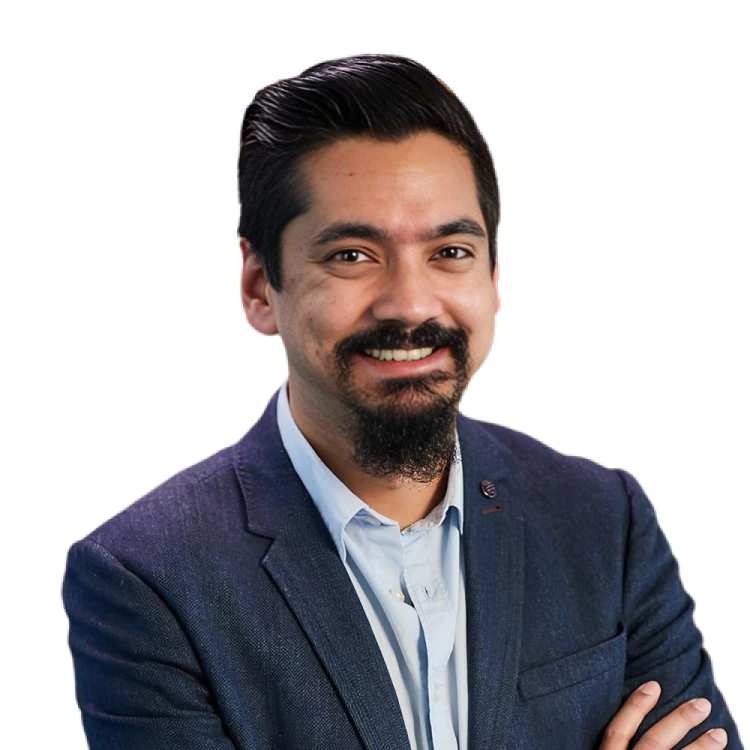
Prof. Sinjoy Bose
University of New South Wales

Dr. Nathaniel George
SOAS, University of London

Dr. Mohamad Rosyidin
Universitas Diponegoro

Laura J. Sheperd
University of Syney

Dr. Nadia Farabi,
Universitas Diponegoro

Dr. Suwita Hani Randhawa
University of Bristol

Dr. Dmytro Sherengovsky
Ukraine Chatolic University